Cove Respite & Personal Care is proudly serving our veterans
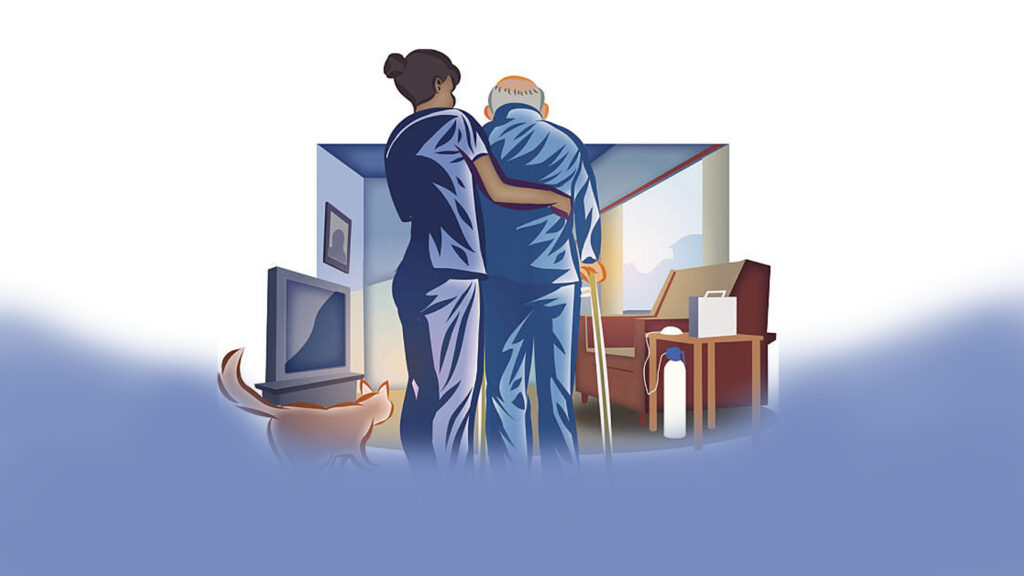
Cove Respite & Personal Care is a VA Community Care–Certified Provider are dedicated to delivering compassionate, high-quality in-home personal care services to eligible veterans. We are honored to serve the men and women who have sacrificed for our nation by helping them maintain their independence, dignity, safety, and quality of life in the comfort of their own homes. Our experienced caregivers provide personalized assistance with activities of daily living, companionship, mobility support, meal preparation, and other non-medical personal care services tailored to each veteran’s individual needs.**
Now Proudly Serving Veterans in:
Hot Springs
Conway
El Dorado
Little Rock
North Little Rock
Pine Bluff
Surrounding Communities
Thank you for your service. It is our honor to serve you and your family with the compassionate, high-quality care you deserve.
Share this post:
How In-Home Personal Care Brings Peace of Mind to Families
When someone you love begins to need extra support at home, the decision can feel emotional and overwhelming. Families want care that protects independence, preserves dignity, and offers reassurance that daily needs are being met with compassion and consistency.
At Cove Respite & Personal Care, we believe quality in-home support should feel personal, respectful, and calming for everyone involved. Whether a client needs help with daily routines, companionship, or short-term respite for a family caregiver, the right care can make home feel safer, more comfortable, and more manageable.
What In-Home Personal Care Can Include
Assistance with activities of daily living
Personal care provided with dignity and respect
Companionship and supportive conversation
Mobility support and help around the home
Meal preparation and everyday routine assistance
Respite care that gives family caregivers time to rest and recharge
These services are not just about completing tasks. They are about helping clients maintain comfort, confidence, and as much independence as possible in the place they know best: home.
Why Families Choose Respite Care
Family caregivers often give so much of themselves that their own rest and well-being are pushed aside. Respite care creates space for caregivers to attend appointments, manage responsibilities, or simply take a needed break, while knowing their loved one is in capable and caring hands.
Compassionate support at the right time can ease stress, strengthen routines, and restore peace of mind for the whole family.
Care Rooted in Compassion
Every client and family has unique needs, preferences, and goals. That is why personalized care matters. A thoughtful approach can help seniors, adults needing daily support, and veterans receive assistance that feels both professional and genuinely human.
If you are exploring in-home personal care or respite services, start by looking for a team that listens well, communicates clearly, and values trust as much as practical support. The right care relationship can make everyday life easier and more reassuring for everyone involved.
When You Are Ready to Talk
Cove Respite & Personal Care is here to support clients and families with compassionate in-home care designed around dignity, comfort, and peace of mind. If you are considering care for yourself or a loved one, we invite you to reach out and learn more about the support available.
Cove Respite & Personal Care is proudly serving our veterans
Cove Respite & Personal Care is a VA Community Care–Certified Provider dedicated to delivering compassionate, high-quality in-home personal care services to eligible veterans. We are honored to serve the men and women who have sacrificed for our nation by helping them maintain their independence, dignity, safety, and quality of life in the comfort of their own homes.
Our experienced caregivers provide personalized assistance with activities of daily living, companionship, mobility support, meal preparation, and other non-medical personal care services tailored to each veteran’s individual needs.
Now Proudly Serving Veterans in:
Hot Springs
Conway
El Dorado
Little Rock
North Little Rock
Pine Bluff
Surrounding Communities
Thank you for your service. It is our honor to serve you and your family with the compassionate, high-quality care you deserve.
The Importance of Body Mechanics in In-Home Health Care
In-home health care providers play a vital role in ensuring the well-being of individuals who need assistance with daily activities. However, caregiving often involves physically demanding tasks such as lifting, transferring, and repositioning clients, which can put both the caregiver and the client at risk of injury. Mastering proper body mechanics is not only a best practice but a necessity for long-term success in the field.
Why Proper Body Mechanics Matter
Injury Prevention
Improper techniques can lead to musculoskeletal injuries, including back strains, sprains, and chronic pain. Using proper body mechanics reduces stress on joints and muscles, protecting caregivers from injuries that could end their careers prematurely.
Client Safety
Safe lifting and transferring techniques minimize the risk of client falls or other accidents. Clients who feel secure during these activities are more likely to cooperate, improving the overall caregiving experience.
Increased Efficiency
When caregivers use their bodies correctly, they can perform tasks more efficiently with less fatigue. This means they can deliver higher-quality care over longer periods without compromising their health.
Core Principles of Body Mechanics
Maintain a Stable Base: A wide stance ensures balance and reduces the likelihood of slipping.
Keep the Load Close: Holding the client or object close to your body reduces strain on your back and increases control during movement.
Bend at the Knees, Not the Waist: This technique utilizes stronger leg muscles for lifting, rather than overloading the back.
Avoid Twisting Movements: Instead of twisting, pivot your entire body by moving your feet.
Engage Core Muscles: A strong core supports the spine and enhances stability during caregiving tasks.
Tools and Techniques for Success
Gait Belts: These provide caregivers with a secure grip, enabling safer transfers.
Assistive Devices: Transfer boards or mechanical lifts can ease heavy workloads and prevent injuries.
Training and Practice: Hands-on training ensures caregivers can apply best practices confidently.
Conclusion
The practice of proper body mechanics is essential for caregivers’ well-being, client safety, and the sustainability of care services. By prioritizing these techniques and incorporating them into daily routines, caregivers protect themselves and enhance the quality of life for their clients.
Caring for Someone with Dementia: A Guide for In-Home Caregivers
Caring for someone with dementia can be both rewarding and challenging. As dementia progresses, it affects cognitive abilities, behavior, and even physical capabilities. However, with the right strategies and mindset, caregivers can provide a supportive, enriching environment that promotes quality of life for individuals with dementia.
1. Understanding Dementia: The Basics
Dementia isn’t a single disease; it’s an umbrella term that covers a range of cognitive impairments, including Alzheimer’s, vascular dementia, and Lewy body dementia. Recognizing the stages of dementia helps caregivers anticipate needs and adapt their approach.
Quick Tip: Each person with dementia is unique. Get to know their specific symptoms, preferences, and history.
2. Creating a Safe and Comfortable Environment
A familiar, organized, and safe environment is crucial. Reduce fall risks, secure dangerous items, label rooms and items, and ensure proper lighting.
3. Effective Communication Techniques
Use short, clear sentences. Be patient, listen, use nonverbal cues, and avoid arguing or correcting when confusion occurs.
4. Managing Challenging Behaviors
Redirect attention, identify triggers, stay calm, and follow a predictable routine to reduce anxiety.
5. Encouraging Independence and Well-Being
Involve the client in simple tasks, break tasks into smaller steps, and respect their preferences and interests.
6. Caring for the Caregiver
Caregivers should take breaks, connect with support groups, educate themselves, and practice stress-relief techniques.
Conclusion
Caring for someone with dementia requires adaptability, compassion, and support. Clear communication, patience, and empathy can create a nurturing environment that respects dignity and individuality.
Bloodborne pathogens are infectious microorganisms found in human blood and other bodily fluids that can cause serious illnesses. Common examples include Hepatitis B Virus, Hepatitis C Virus, and Human Immunodeficiency Virus.
Risks for In-Home Health Care Workers
In-home health care workers face unique challenges because home care often happens in a less predictable setting. Exposure risks may include needlestick injuries, open wounds, and accidental splashes during personal care tasks.
What Are Universal Precautions?
Universal precautions are safety practices designed to prevent transmission by assuming all blood and bodily fluids may be infectious. Key components include hand hygiene, PPE, safe sharps handling, and cleaning/disinfecting surfaces.
The Importance of Personal Protective Equipment
Gloves, masks, face shields, and gowns can help protect caregivers from exposure. Correct use and disposal of PPE are essential.
Steps to Take After Potential Exposure
Immediately wash the affected area, report the exposure, and follow post-exposure protocols, which may include medical evaluation and follow-up testing.
Why Training Is Essential
Training helps caregivers prevent accidental exposure, protect themselves and clients, and create a safer home care environment.
In Conclusion
By following universal precautions and remaining knowledgeable about bloodborne pathogens, caregivers can provide care confidently while minimizing infection risks.
Tips on food preparation for the elderly
Food, Nutrition, and Meal Preparation for the Elderly: A Comprehensive Guide
As we age, nutritional needs and eating habits change. Balanced, easy-to-eat meals are essential for maintaining energy, preventing chronic disease, and enhancing quality of life.
Understanding Nutritional Needs
Older adults often need fewer calories but higher amounts of nutrients such as calcium, vitamin D, and protein. Hydration is also critical.
Common Challenges in Meal Preparation
Seniors may face decreased appetite, difficulty chewing or swallowing, and dietary restrictions related to diabetes, heart disease, or other conditions.
Practical Meal Preparation Tips
Choose soft and easy-to-swallow foods.
Offer small, frequent meals.
Incorporate nutrient-rich foods.
Encourage hydration through water, teas, broths, and high-water foods.
Use herbs and spices for flavor without excess sodium.
Honor cultural and personal food preferences.
Meal Ideas
Breakfast: Oatmeal with fresh berries and yogurt.
Lunch: Grilled chicken salad with avocado and light vinaigrette.
Dinner: Baked salmon with broccoli and quinoa.
Snacks: Cottage cheese with fruit or whole-grain crackers with hummus.
Conclusion
Proper nutrition and thoughtful meal preparation are vital parts of elderly care. Caregivers can support health and well-being by understanding individual needs and providing enjoyable, nutritious meals.
Effective Communication in Healthcare: A Guide for Caregivers
Communication is a fundamental aspect of healthcare and is crucial for helping patients receive the best possible care. For caregivers, effective communication improves patient outcomes, enhances the caregiving experience, and builds stronger relationships with healthcare professionals.
1. Active Listening
Give full attention, show that you are listening, and reflect or clarify what the patient says.
2. Use Clear and Simple Language
Avoid medical terminology, be specific, and use everyday words to explain care needs.
3. Empathy and Compassion
Acknowledge emotions, be patient, and use supportive body language.
4. Non-Verbal Communication
Facial expressions, posture, eye contact, and tone of voice all influence how messages are received.
5. Effective Questioning
Use open-ended questions to encourage detail and closed-ended questions when specific information is needed.
6. Patient Education
Break down information, use visual aids when helpful, and check understanding.
7. Building Trust
Be honest, respect privacy, and follow through on commitments.
8. Conflict Resolution
Stay calm, listen actively, and focus on solutions.
9. Cultural Sensitivity
Respect cultural differences and adapt communication to the patient’s preferences.
10. Documentation and Record-Keeping
Detailed records help ensure continuity of care.
Conclusion
Effective communication is the cornerstone of quality patient care. The way caregivers communicate can make a meaningful difference in the lives of clients and families.
Personal Care Skills: Hygiene & Grooming, Mobility Assistance
Welcome to our blog, where we provide valuable insights and practical advice for in-home healthcare providers. In this post, we focus on personal care skills, including hygiene and grooming, as well as mobility assistance.
Importance of Personal Care in Healthcare
Personal care supports hygiene, grooming, mobility, comfort, dignity, safety, independence, and infection prevention.
Hygiene & Grooming
Bathing a Patient
Prepare supplies, communicate the process, assist safely, wash gently, rinse thoroughly, and help the patient dry completely.
Grooming
Regular nail care, hair care, and shaving help maintain hygiene and support self-esteem.
Mobility Assistance
Safe Transfer Techniques
Explain the transfer, clear the area, prepare equipment, and use proper body mechanics.
Use of Mobility Aids
Wheelchairs, walkers, and canes help clients move safely and independently when properly selected and adjusted.
Fall Prevention
Keep living areas clutter-free, improve lighting, use non-slip mats, and supervise clients who are at high risk of falling.
Encouraging Patient Independence
Encourage clients to perform tasks they can safely complete and provide support only when necessary.
Conclusion
Mastering personal care skills helps protect client safety, comfort, and dignity while improving physical and emotional well-being.
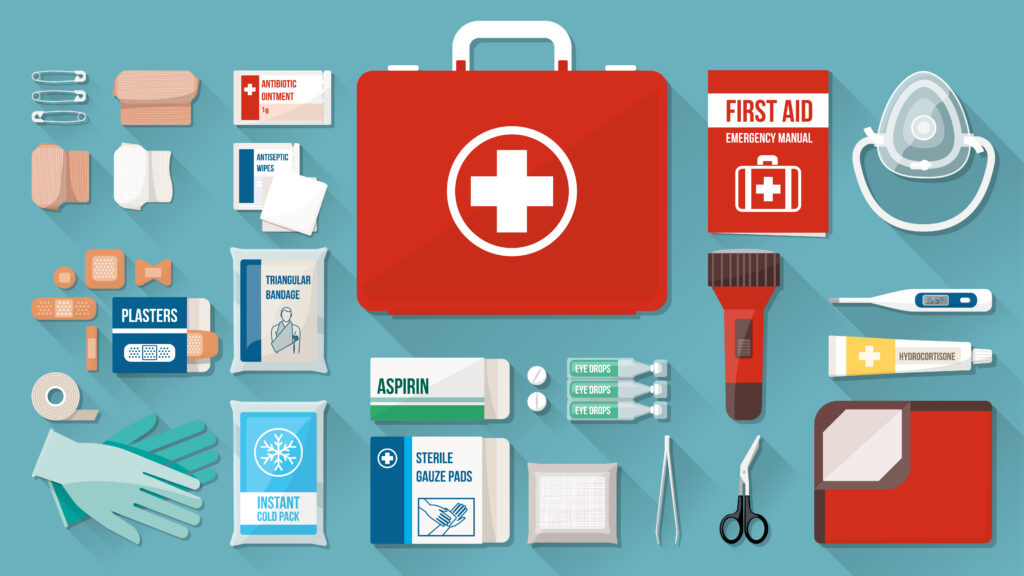
The Vital Role of First Aid Knowledge in Elderly Care
Caring for elderly individuals is rewarding and challenging. One important responsibility is first aid knowledge. As people age, they become more susceptible to health issues and emergencies, making first aid preparedness essential.
Why First Aid is Essential for Elderly Care
Increased Vulnerability to Health Issues
Elderly individuals are at higher risk of falls, injuries, and complications related to chronic conditions.
Emergency Response Readiness
Caregivers should be prepared to respond to heart attacks, strokes, choking, breathing issues, and other emergencies.
Confidence and Competence
Caregivers trained in first aid are more confident and capable in emergency situations.
Key First Aid Skills for Elderly Caregivers
CPR and AED usage
Wound care and infection control
Managing chronic condition episodes
Handling falls and fractures
Benefits Beyond Immediate Care
Prompt first aid can reduce injury severity, lower emergency costs, and enhance quality of life.
Conclusion
First aid training is an essential component of elderly care. Prepared caregivers help create a safer, more supportive environment.